

AneeMate packs, player ownership and the planned P2P market
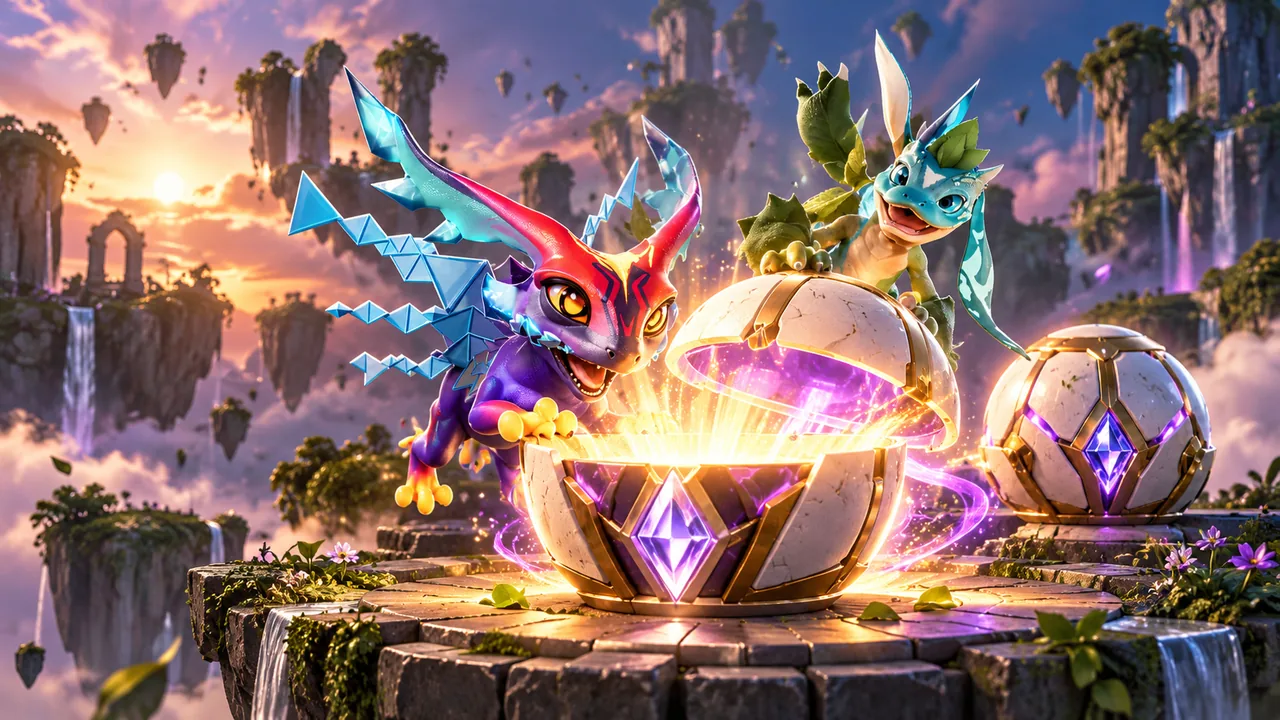
AneeMate separates playing the game from its optional blockchain economy. You can begin the adventure without a wallet. Packs use $QORPO, minting concerns eligible creatures, and the player market describes a planned P2P trading layer. Creator rewards are another separate programme. Understanding those differences is the best way to choose how you want to participate.
The public market page was labelled Opening soon when reviewed on 19 October 2026. This article therefore explains its published design, not a claim that the market is already processing player sales. Check the live page before relying on a particular feature or transaction route.
Playing, catching and minting are different actions
The ordinary adventure includes catching AneeMates, developing them and using them in your party. The gameplay guide describes MATE as the currency earned through play. It is not the same as $QORPO, and the guide does not describe MATE as a token you can sell for money.
Minting is a separate step associated with eligible creatures and player progression. A catch appearing in your collection does not mean you have already completed an on-chain mint. That distinction matters if your interest is holding or trading an asset rather than simply playing with a creature.
The current guide identifies a minting unlock at player level 20 and marketplace access at level 30. These are documented requirements, not a promise that every related website action is live today. A progression unlock, a working interface and an operating marketplace are three different things to confirm.
For anyone new to AneeMate, it is reasonable to learn the catching adventure first. You can decide later whether an optional wallet feature fits what you want to do.
What a pack purchase is for
The pack interface offers a separate route to creatures and related items. The website presents Starter, Vault and Elite options, with different contents and probabilities. Those offers should be compared using the information shown at the time you buy, including the total token amount and network costs.
A higher-priced option is not a guarantee that its outcome will be more useful to your play style or command a resale price. Randomised contents and market demand are different subjects. Even a correctly delivered rare item may not have a willing buyer.
Start by asking what you want from the product. Is it an additional creature, a particular kind of progression material or the experience of opening a pack? Then read the actual contents and odds. You should not need to invent an expected profit to explain why the purchase interests you.
AneeMate also describes ways to obtain capsules through gameplay. The precise routes and rewards belong in the current game guide, rather than being assumed from a paid pack's marketing page.
How the published pack payment model works
The site describes paid pack spending as split between a burn and a player treasury. It also describes on-chain randomness using Chainlink VRF. Those are mechanisms to inspect, not a substitute for checking the specific contract and purchase information presented by the live interface.
Randomness verification concerns how an outcome is produced. It does not guarantee that you will receive your preferred result, that all outcomes have the same subjective value or that the product has been certified risk-free. The probabilities still matter.
Likewise, a burn describes what happens to a token amount. It is not a commitment to a future price. A treasury allocation is not automatically a payment to every holder or every pack opener. Use the product's current rules to understand what each part is intended to support.
This direct spending model should also be kept separate from QORPO's broader revenue-funded buyback model. The QORPO token page describes that other flow. A pack purchase and a studio market buyback should not be presented as the same transaction.
What the planned P2P market would let players do
The market page describes players listing their own minted AneeMates, choosing a price and keeping the asset in their wallet until a buyer completes the purchase. It says the creatures offered there come from players, rather than the studio stocking a creature shop.
Its published design shows a five percent sale fee, with ninety-five percent allocated to the seller. The fee is described as split between a burn and the player treasury. Treat these as the currently published terms for the planned system, and verify them again in the live transaction interface once trading is available.
The useful consequence of P2P trading is choice. A player might seek a particular species or an eligible creature developed by someone else. A seller might choose to transfer an asset they no longer want. Neither action means that a sale price is guaranteed or that time spent playing becomes a wage.
The page also describes payment routes involving BNB Chain and Ethereum. Availability, network fees and any relay steps need to be checked at the moment of use. This article is not a wallet transaction walkthrough and does not ask you to connect or approve anything just to read it.
What owning a minted creature does and does not mean
An eligible asset recorded on a blockchain can give its holder an inspectable record and a transfer mechanism. Its utility inside AneeMate still depends on the game's supported systems and terms. Ownership of a token is not unlimited ownership of every right associated with the creature.
In particular, do not infer copyright ownership, permission to commercialise the character artwork, a share of studio revenue or permanent game-server access. Those would require explicit rights or commitments. A game's marketing language about ownership does not automatically provide them.
This distinction also helps players compare ordinary collection progress with minting. You may enjoy a creature for its moves, appearance or place in your camp without needing an on-chain transfer. Optional ownership should add a choice rather than make ordinary play seem incomplete.
The home and farming guide shows other reasons a creature can matter. Its role in your play session does not have to be reduced to a possible listing price.
Creators have a programme, not an automatic cash entitlement
The creator programme invites videos and streams, with submitted links reviewed by the team. It describes creator progression and in-game rewards, including codes redeemed in the game. A first catch, a garden tour or a useful guide can provide a reason to participate.
That is different from a marketplace for creator-made assets. The public programme does not establish that anyone can upload a new creature, mint it and receive royalties. It also does not turn every approved post into a $QORPO payment.
A creator who also plays the game may eventually have separate access to supported player features. Those activities should be explained under their own rules. Content rewards, gameplay progression and an asset sale are separate relationships, even when one person participates in all three.
Programme posts need the disclosures and content standards described on the official page. A useful guide should explain a system honestly rather than pressure viewers to buy packs or promise a rare outcome.
Questions to ask before an optional purchase
Check what the interface will deliver, which network it uses and the complete amount you will pay. For a randomised product, read the odds and any applicable guarantee rules. For an eligible asset, identify exactly what it is and what the game supports.
Separate current availability from future design. At this article's review, the market's Opening soon label was a material part of the answer. A guide explaining how a listing would work does not override that label.
Finally, decide whether the product makes sense for the experience you want. If the only reason to buy is an assumption that someone else must pay more later, you have moved away from evaluating the game product itself.
Common questions
Is P2P trading already open?
The reviewed market page said Opening soon. This article does not report live trading volume or completed player sales. Check the current market status.
Can creators earn guaranteed money from AneeMate?
The documented creator programme describes reviewed in-game rewards, not guaranteed cash income. A potential future asset sale would require an eligible asset, supported trading and a willing buyer under the applicable terms.
Do I have to buy a pack?
No wallet or pack purchase is required to begin the game as described by the official site. Play first, explore the MateBook and read the current pack information if that optional experience interests you.